How can common pump issues impact automotive production? In this post, we explore coolant, lubrication, and parts washing challenges and how...
 How can common pump issues impact automotive production? In this post, we explore coolant, lubrication, and parts washing challenges and how Professional Pump helps manufacturers improve reliability, reduce downtime, and keep operations running efficiently.
From major automotive assembly plants to precision machining facilities and Tier 1 suppliers, Michigan and the Midwest have
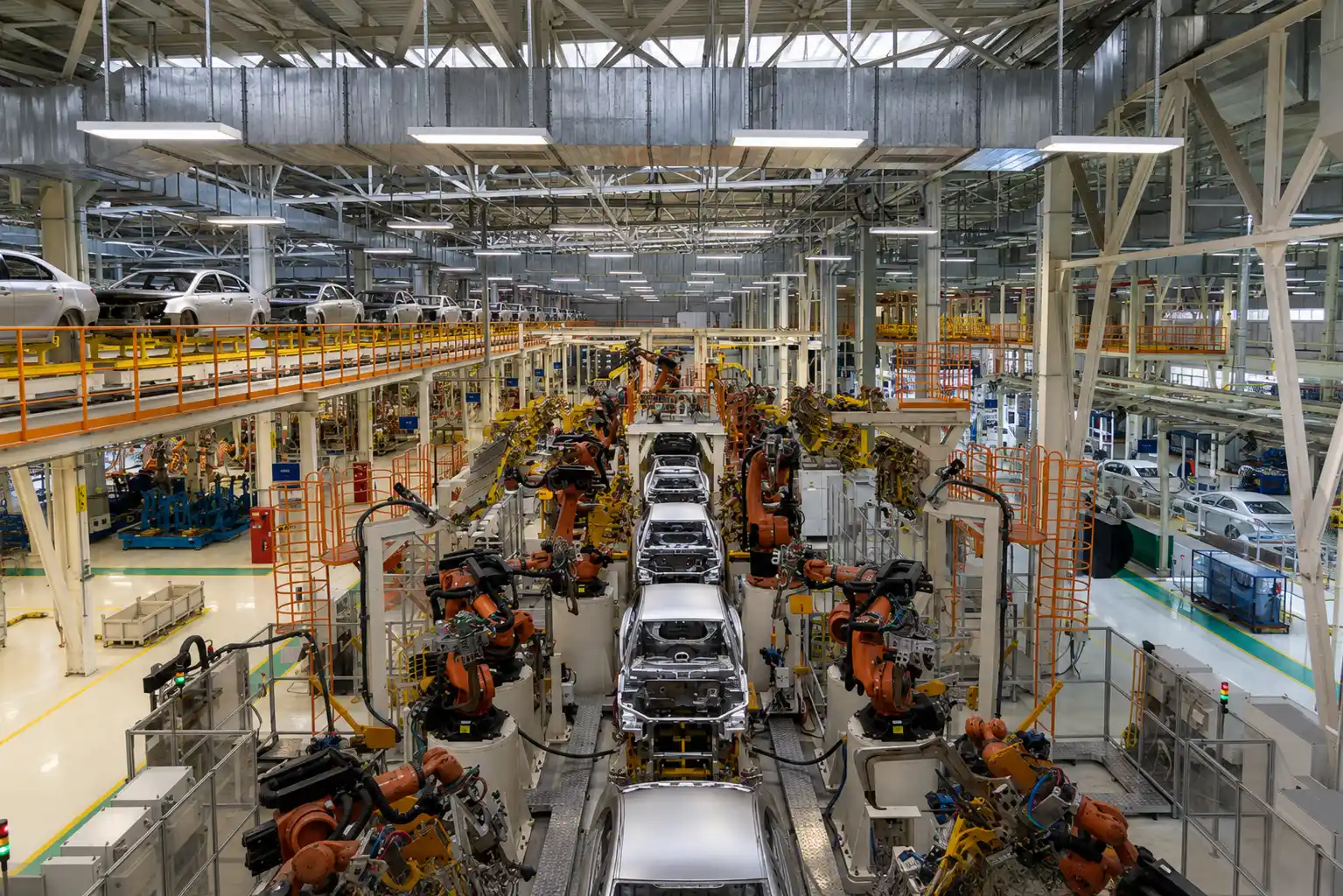
built a reputation for manufacturing innovation, efficiency, and performance. But behind every vehicle rolling off an assembly line is a complex network of mechanical systems working to keep production on schedule.
Coolant circulation, lubrication, fluid transfer, and industrial parts washing may not always be visible on the production floor, but
they play a critical role in daily operations. When one of these systems experiences a mechanical issue, the consequences can extend far beyond a single piece of equipment.
For automotive manufacturers, understanding common pump and fluid handling challenges is an important step toward preventing costly downtime and protecting production efficiency.
Coolant System Failures Can Affect More Than Equipment Temperature
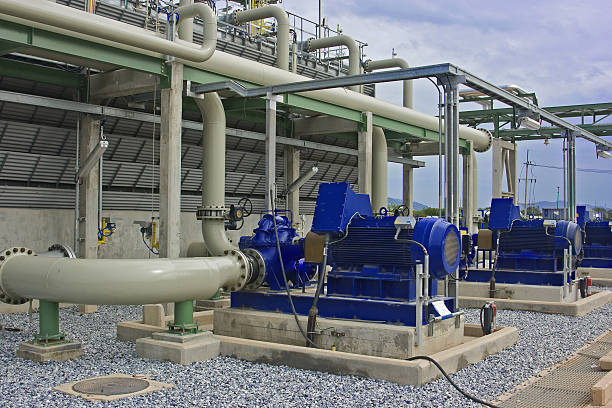
Automotive machining operations rely on coolant systems to manage heat, lubricate cutting processes, and help remove metal chips. When coolant flow becomes inconsistent, both equipment performance and part quality can suffer.
Common coolant system problems include:
- Clogged strainers and filters: Metal chips and debris restrict coolant flow and increase pressure losses.
- Pump cavitation: Insufficient inlet pressure can cause vapor bubbles to form and collapse inside a pump, damaging internal components.
- Impeller wear: Abrasive particles can gradually reduce pump efficiency and flow capacity.
- Inconsistent coolant pressure: Fluctuating flow can contribute to overheating, poor surface finishes, and accelerated tool
 wear.
wear.
A coolant pump may continue running even when it is no longer delivering the flow required by the process. This makes monitoring system performance just as important as checking whether equipment is operational.
Where Professional Pump fits in: Evaluating pump performance, operating conditions, and recurring fluid handling issues can help facilities identify the source of coolant system inefficiencies before they lead to larger problems.
Lubrication Problems Can Lead to Premature Mechanical Wear
In automotive production, lubrication systems protect moving components in machining centers, conveyors, and other industrial equipment. When lubrication is insufficient or inconsistent, friction increases. Over time, this can damage bearings, gears, and other critical components.
Warning signs include unusually high operating temperatures, abnormal vibration, increased noise, and inconsistent lubricant delivery. Some of these issues originate from worn pumps, blocked lines, improper lubricant viscosity, or incorrect system pressure.
The key takeaway: Proper lubrication is not simply about keeping machinery moving. It helps protect expensive production assets and maintain the precision required in automotive manufacturing.

Parts Washing Systems: An Overlooked Factor in Production Quality
Before automotive components move into assembly, coating, or other finishing processes, they often require thorough cleaning to remove oils, metal particles, and manufacturing residue. Industrial parts washing systems depend on pumps to circulate cleaning solutions at the appropriate flow and pressure.
Several mechanical problems can affect cleaning performance:
- Reduced spray pressure: Worn pumps or blocked nozzles can prevent cleaning solutions from reaching component surfaces effectively.
- Seal deterioration: Chemical exposure and operating conditions can contribute to leaks and premature pump failure.
- Contaminated cleaning solutions: Accumulated oils and debris can increase pump wear and reduce cleaning effectiveness.
- Improper pump sizing: A pump that cannot meet the required flow and pressure may struggle to support consistent washing cycles.
Don't Overlook Preventative Maintenance
Proper equipment selection is the starting point, but ongoing maintenance is equally important.
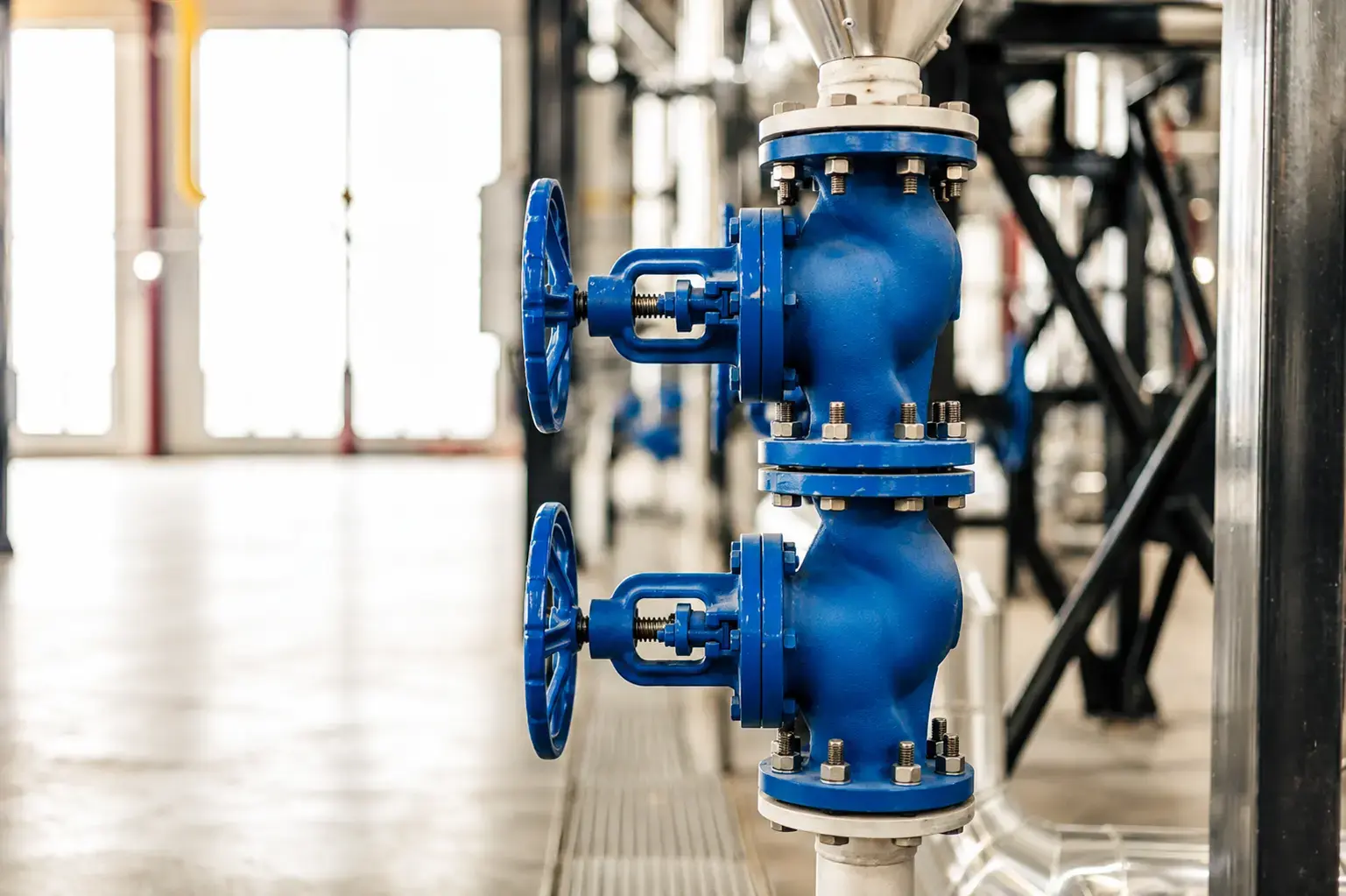
Regular inspection and preventative maintenance can help identify worn diaphragms, seals, valves, and other components before they contribute to an unexpected failure.
Facilities experiencing recurring pump problems, increasing maintenance frequency, corrosion, or declining performance should also consider whether the issue goes beyond maintenance. Sometimes repeated failures are an indication that the equipment or materials aren't ideally suited for the application.
How Professional Pump Supports Automotive Manufacturing
Whether a facility is experiencing recurring pump failures, inconsistent fluid pressure, or increasing maintenance demands, identifying the underlying cause is the first step toward improving system performance.
At Professional Pump, our focus is helping automotive manufacturers find dependable pump and fluid handling solutions suited to their operational needs.
Our support starts with:
- Equipment troubleshooting: Identifying recurring issues affecting pump performance and reliability.
- System evaluations: Reviewing operating conditions, fluid requirements, and equipment demands.
- Preventative maintenance support: Helping facilities address potential issues before they lead to costly interruptions.
- Equipment upgrades: Identifying pump solutions that can improve efficiency, performance, and long term reliability.