
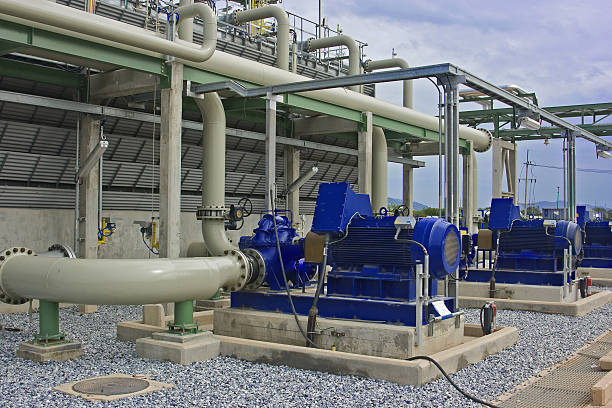
In chemical and petrochemical processing, reliable fluid handling is essential. Pumps and related equipment are often responsible for moving...
In chemical and petrochemical processing, reliable fluid handling is essential. Pumps and related equipment are often responsible for moving corrosive, hazardous, or process-critical fluids throughout a facility. When that equipment isn't properly matched to the application, the consequences can extend well beyond routine maintenance.
Leaks, premature wear, unexpected failures, and unplanned downtime can all be signs that the equipment or materials aren't suited for the process. That's why chemical process reliability starts with proper equipment selection.
Material Compatibility Matters
One of the most important considerations when selecting a pump for chemical service is material compatibility.
Different chemicals can react differently with metals, elastomers, seals, diaphragms, and other components. A material that performs well in one application may deteriorate quickly when exposed to another chemical or different operating conditions .
.
Proper equipment selection should consider factors such as:
- The chemical or fluid being handled
- Concentration and composition
- Operating temperature
- Flow and pressure requirements
- Wetted component materials
- Elastomer and diaphragm compatibility
- Duty cycle and operating environment
Looking at the entire application, not simply the required flow rate, can help reduce premature wear and improve equipment life.
Reliability and Safety Go Hand in Hand
Equipment failure in a chemical processing environment isn't just an inconvenience. When corrosive or hazardous fluids are involved, a leaking or failed pump can create additional safety concerns, interrupt production, and increase maintenance demands. Selecting equipment specifically designed for the application helps facilities reduce these risks while creating a more dependable process.
Solutions such as Warren Rupp diaphragm pumps, metering pumps, chemical transfer systems, and dosing equipment can support a variety of chemical processing applications when properly selected and configured.

Don't Overlook Preventative Maintenance
Proper equipment selection is the starting point, but ongoing maintenance is equally important.
Regular inspection and preventative maintenance can help identify worn diaphragms, seals, valves, and other components before they contribute to an unexpected failure.
Facilities experiencing recurring pump problems, increasing maintenance frequency, corrosion, or declining performance should also consider whether the issue goes beyond maintenance. Sometimes repeated failures are an indication that the equipment or materials aren't ideally suited for the application.
Building a More Reliable Chemical Process
Improving chemical process reliability doesn't always require a major system overhaul. It can begin with evaluating how existing pumps are performing and whether the equipment is properly matched to current process conditions.
Professional Pump works with chemical and petrochemical facilities to evaluate fluid-handling applications and identify
equipment solutions based on the demands of the process.
If you're experiencing recurring pump failures, excessive maintenance, or concerns about chemical compatibility, schedule a Chemical Process Reliability Consultation with Professional Pump.
%20-%20Edited_11zon.webp)
